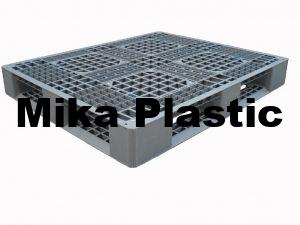
Choosing the right plastic pallet is an important decision for businesses involved in warehousing, manufacturing, logistics, and export. The correct pallet can improve operational efficiency, reduce long-term costs, enhance safety, and ensure compliance with industry standards. On the other hand, selecting the wrong pallet may lead to product damage, higher replacement costs, and inefficient handling.
This guide explains the key factors you should consider when choosing the right plastic pallet for your business needs.
Why Plastic Pallets Are Widely Used
Plastic pallets are increasingly popular across industries such as food & beverage, pharmaceuticals, electronics, chemicals, and automotive manufacturing. Compared to traditional wooden pallets, plastic pallets offer several advantages:
Consistent dimensions and weight
Resistant to moisture, mold, and pests
Easy to clean and hygienic
Long service life with lower replacement frequency
Suitable for automated handling systems
However, not all plastic pallets are the same. Different applications require different pallet designs and specifications.
1. Understand Your Load Requirements
The first step in selecting a plastic pallet is understanding how much weight it needs to carry.
Static Load
This refers to the weight the pallet can support when it is stationary, such as in floor storage or stacking.
Dynamic Load
This is the load capacity when the pallet is being moved using a forklift or pallet jack.
Racking Load
If your pallet will be stored in pallet racking systems, racking load capacity is critical. Not all plastic pallets are suitable for racking without reinforcement.
Tip: Always choose a pallet with a load rating higher than your maximum expected load to ensure safety and durability.
2. Consider the Industry Application
Different industries have different requirements. Selecting a plastic pallet that matches your industry standards is essential.
Food & Beverage Industry
Requires hygienic, easy-to-clean pallets
Often uses closed-deck plastic pallets
Must comply with food safety regulations
Pharmaceutical & Medical
High hygiene standards
Smooth surfaces to prevent contamination
Suitable for cleanroom or controlled environments
Manufacturing & Warehousing
Focus on strength and durability
Open-deck pallets may be acceptable
Compatibility with forklifts and conveyors is important
Export & Logistics
Plastic pallets are ISPM 15 exempt
Ideal for international shipping
Lightweight options help reduce freight costs
3. Choose the Right Pallet Size
Standard pallet sizes vary by region and application. In Malaysia, commonly used sizes include:
1200 x 1000 mm
1200 x 800 mm
1100 x 1100 mm
Choosing the correct size ensures:
Better container and truck space utilization
Compatibility with existing storage systems
Reduced risk of overhang and product damage
If you are exporting, ensure the pallet size fits international shipping containers and your customer’s warehouse system.
4. Open Deck vs Closed Deck Plastic Pallets
Open Deck Plastic Pallets
Lighter weight
Better airflow and drainage
Suitable for general warehousing and dry goods
Closed Deck Plastic Pallets
Flat, solid surface
Better support for small or soft packaging
Easier to clean and ideal for hygiene-sensitive industries
Your product type and storage environment will determine which deck design is more suitable.
5. Forklift and Handling Compatibility
Not all plastic pallets are compatible with every handling system.
Before selecting a pallet, confirm:
2-way or 4-way forklift entry
Compatibility with pallet jacks
Suitability for automated conveyor systems
For automated warehouses, pallets must have consistent dimensions and reinforced structures to prevent bending.
6. Racking and Reinforcement Options
If your warehouse uses selective racking, drive-in racking, or high-bay racking, pallet strength becomes critical.
Some plastic pallets include:
Steel reinforcement bars
Ribbed bottom decks
Anti-slip surfaces
These features increase racking load capacity and improve safety when pallets are stored at height.
7. Durability and Life Cycle Cost
Plastic pallets usually have a higher initial cost than wooden pallets, but they offer lower total cost of ownership.
Benefits include:
Longer lifespan
Fewer replacements
Lower maintenance costs
Reduced risk of product damage
When evaluating price, consider how many years the pallet will be used and how frequently it will be handled.
8. Environmental and Sustainability Considerations
Many businesses today prioritize sustainability. Plastic pallets can be an environmentally responsible choice when selected correctly.
Look for pallets that are:
Made from recyclable materials (HDPE or PP)
Reusable for many cycles
Recyclable at end of life
Using durable, reusable pallets helps reduce waste and supports ESG initiatives.
9. Safety Features
Safety should never be overlooked when choosing a plastic pallet.
Key safety features include:
Anti-slip deck surface
Smooth edges to prevent injuries
Stable stacking design
A well-designed pallet reduces workplace accidents and improves handling efficiency.
10. Work with a Reliable Plastic Pallet Supplier
Finally, choose a supplier that understands your industry and operational needs.
A reliable supplier should:
Provide clear load specifications
Offer technical advice
Supply consistent quality
Support customization if required
Good suppliers do more than sell pallets — they help you optimize your logistics and storage operations.