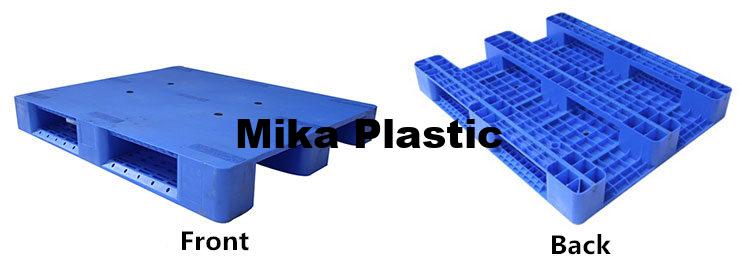
Malaysia’s “halal-to-biotech” economic corridor is placing unprecedented pressure on supply chain hygiene. For companies in the Food and Beverage (F&B) and Pharmaceutical sectors, the choice of a pallet is no longer a minor procurement decision—it is a critical factor in regulatory compliance and consumer safety.
This comprehensive guide explores why plastic pallets have become the indispensable standard for these high-stakes industries in Malaysia.
- The Regulatory Landscape: MS 1480:2025 and Beyond
The Department of Standards Malaysia officially enforced MS 1480:2025, the latest revision of the Hazard Analysis and Critical Control Point (HACCP) system. This update, alongside the MS 1514:2022 (GMP) standards, emphasizes “Prerequisite Programs” (PRPs) that target the storage environment.
Why Wood is Falling Behind
Traditional wooden pallets are porous. They absorb moisture, harbor bacteria like Listeria or Salmonella, and are prone to mold—a major risk in Malaysia’s tropical 85% humidity. Under the new audit guidelines, any pallet showing signs of “biological distress” (mold or rot) can lead to immediate non-compliance for a food or pharma facility.
- Pharmaceutical Excellence: Meeting NPRA Standards
The National Pharmaceutical Regulatory Agency (NPRA) of Malaysia maintains strict Good Distribution Practice (GDP) guidelines for Time and Temperature Sensitive Products (TTSP).
Hygiene and Contamination Control
In pharmaceutical “Clean Rooms,” the presence of wood is often strictly prohibited. Plastic pallets are the solution because:
- Non-Porous Surfaces: They do not shed dust, wood fibers, or splinters that could contaminate medication packaging.
- Chemical Resistance: They are unaffected by the aggressive sanitizing agents and hydrogen peroxide vapors used in pharma sterilization.
- Sterilization Compatibility: Most high-grade HDPE (High-Density Polyethylene) pallets can be steam-cleaned at high temperatures without losing structural integrity.
- The Halal Integrity Factor: MS 2400:2019
Malaysia is a global leader in Halal Logistics. Under MS 2400, “Halal Integrity” must be maintained from the factory floor to the consumer.
Plastic pallets are preferred for Halal-certified warehouses because they are easier to “Ritually Cleanse” (Sertu) if a contamination occurs. Unlike wood, which could absorb a prohibited substance (such as non-halal animal fats or liquids), plastic can be washed and sanitized thoroughly, ensuring that the Halal status of the goods remains untainted.
- Cold Chain Performance: From -30°C to the Port
Malaysia’s frozen food exports (especially durian and seafood) rely on robust cold chain logistics.
- Temperature Stability: Wooden pallets become brittle and heavy as they absorb condensation in cold rooms. In contrast, specialized Cold-Chain Plastic Pallets remain impact-resistant even at -30°C.
- Airflow Optimization: Many plastic pallets feature “ventilation grids” that allow cold air to circulate through the bottom of the stack, ensuring that temperature-sensitive vaccines or frozen poultry reach their destination without “hot spots.”
- Automation and Industry 4.0 in Malaysian Warehousing
As warehouses in Shah Alam, Johor Bahru, and Penang transition to ASRS (Automated Storage and Retrieval Systems), the “standardization” of plastic is winning over the “customization” of wood.
- Dimensional Precision: Robots require pallets to be exactly the same size every time. A wooden pallet that has warped by 5mm can jam a multi-million Ringgit conveyor system. Plastic pallets are injection-molded for 100% consistency.
- RFID Integration: Many Malaysian plastic pallet suppliers now offer built-in slots for RFID tags or IoT sensors, allowing pharma companies to track the “pedigree” and temperature history of a pallet in real-time.
- Economic ROI: A 5-Year Outlook
While a plastic pallet may cost RM 180 compared to RM 55 for wood, the Cost-Per-Trip analysis tells a different story for Malaysian businesses.
Metric | ||
Average Lifespan | 3 – 5 Trips | 250+ Trips |
ISPM 15 Export Cost | RM 5 – RM 15 (per trip) | RM 0 (Exempt) |
Product Damage Rate | Higher (Nails/Splinters) | Negligible |
Recycle Value | Low / Disposal Fee | High (Scrap Value) |
For an exporter shipping from Northport or Westports, the exemption from ISPM 15 (International Standards for Phytosanitary Measures) alone saves thousands in fumigation fees and prevents “quarantine delays” at foreign customs.
- Sustainability and the “Circular Economy”
With Malaysia’s Plastics Sustainability Roadmap 2021–2030, there is a massive push toward recycled content. High-quality plastic pallets in Malaysia are now often made from recycled HDPE, and at the end of their 10-year life, they are ground down to create new pallets. This aligns with the ESG (Environmental, Social, and Governance) goals that many Malaysian PLCs (Public Listed Companies) are now required to report.